


A Series B founder recently told me his automation rollout felt like a high-maintenance science project. He had spent months building a brilliant AI demo, but his production setup was a brittle mess. It used disconnected hooks and fragile prompts. While he had a team of developers, he lacked an architect to take it from a basic LLM wrapper. He needed someone to build a scalable, production-ready system. Growing companies are increasingly turning to fractional CTO services to bridge this architectural gap. The transition to AI agents is a fundamental shift in how we build.
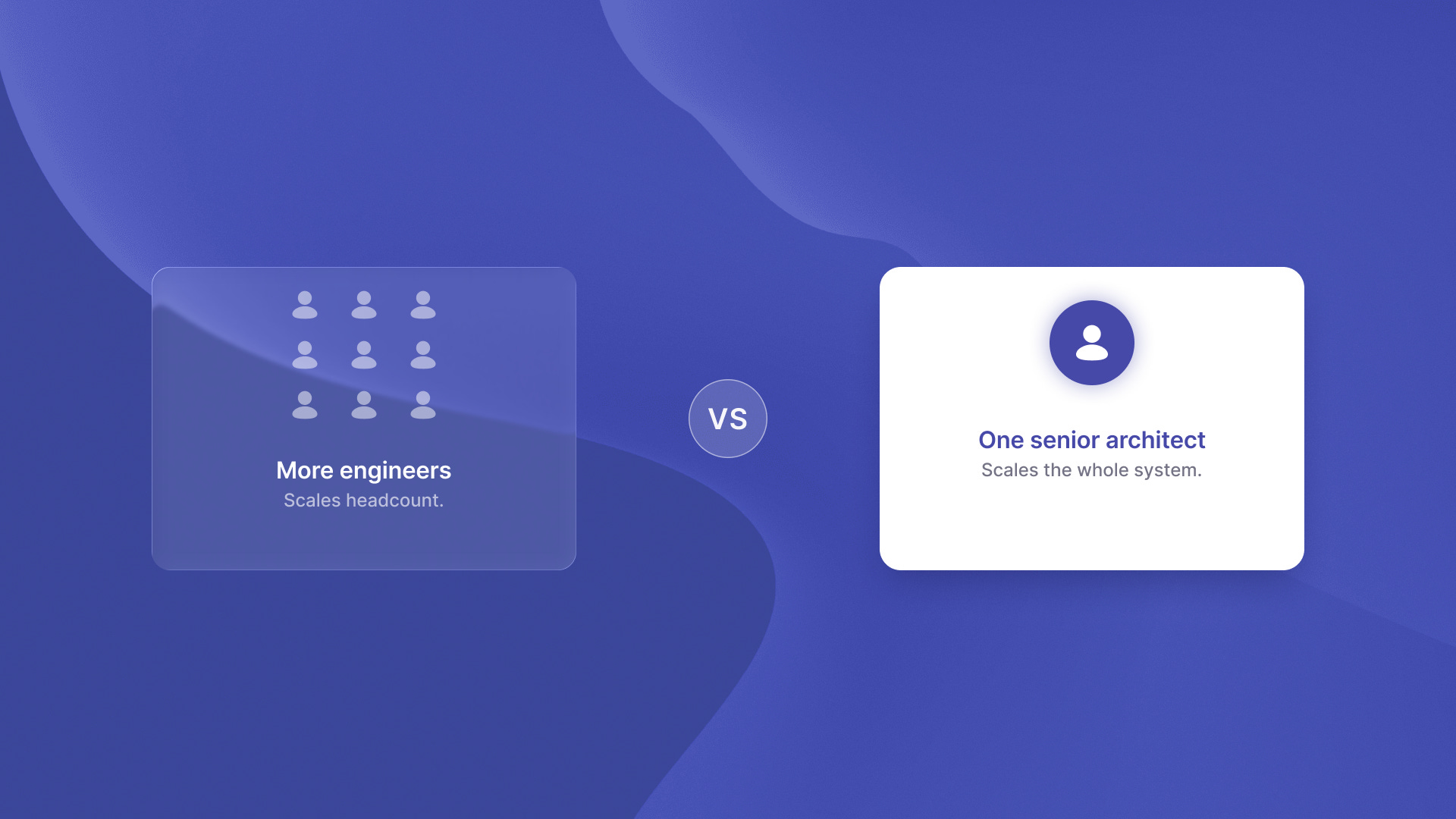
Startups often fail when scaling autonomous agents because they overlook infrastructure and reliability monitoring. Enterprise-grade technical leadership for startups is essential for handling the complexities of the modern AI development era. According to Gartner, the shift toward autonomous operations requires a total re-evaluation of the tech stack. A fractional CTO provides this senior guidance without the full-time executive overhead.
Solving scaling issues with fractional CTO services
Failed demo-to-production transitions are a clear signal that a company needs senior help. A system that works for five users but breaks for five thousand indicates a core infrastructure problem.
Leslie Lamport gave distributed systems their most-quoted definition in a 1987 email to colleagues at DEC’s Systems Research Center. A distributed system, he wrote, is one where you can be taken down by:
“...the failure of a computer you didn’t even know existed.”
Leslie Lamport — email to DEC Systems Research Center, 28 May 1987
An agent calling four APIs across three vendors is a distributed system, whether or not anyone on the team has described it that way. It behaves like one at five thousand users and not at five, which is precisely why the demo holds and production does not. This often happens when a team focuses on the chat interface.
They do not focus on the state management and persistent memory needed for true autonomy.
Charity Majors is the co-founder and CTO of Honeycomb. She explained the value of production-grade thinking more clearly than anyone else
‐ “You can only debug what you can observe.‑
‐ Charity Majors, co-founder and CTO of Honeycomb
Unclear unit economics for autonomous agents is another critical trigger. Operating without knowing the exact cost of each execution leaves a business vulnerable. A fractional CTO sets up monitoring systems to track these costs. This helps keep an AI transformation strategy profitable. Architectural bottlenecks in workflow replacement indicate a lack of strategic planning. When AI acts only as an assistant rather than an agent that replaces a full workflow, the business misses the real ROI.
Why Series B+ startups fall into the architectural trap
Startups often make avoidable mistakes when rushing to ship AI features. In my experience, these are the primary red flags:
Over-reliance on simple LLM wrappers that lack a specialized orchestration layer
Ignoring latency issues that degrade the user experience in production
Failing to decouple test generation from human billable hours
Building perception-only architecture that cannot be retrofitted for true autonomy
Lack of visibility into the unit economics of the AI stack
The cost of these mistakes is often a complete rebuild six months later. It is more efficient to rent AI leadership to establish the autonomous agent architecture correctly from the beginning.
The fractional CTO playbook for AI transition
To ensure a successful transition, I typically deploy a three-step roadmap:
The AI infrastructure audit: An examination of the current stack to identify fragility and scaling bottlenecks.
Defining ROI for autonomous workflows starts with finding multi-step processes where agents add the most value. One example is replacing manual QA with an automated QA flow.
Scaling production-ready agents: Building the orchestration layer and monitoring systems needed for a stable launch.
High-growth environments use this methodology to decouple testing from linear scaling bottlenecks. This approach focuses on building infrastructure that lasts. Senior guidance provides the foundation to scale without breaking.
The bottom line
The market is moving toward autonomous operations faster than most Series B teams can adapt. If your technical foundation is a house of cards, no amount of prompt engineering will save your margins. Hiring a fractional CTO helps you set up the right systems to scale. It also avoids the cost of a full-time executive hire. You either architect for production today or you pay for the rebuild tomorrow.
Build. Run. Maintain.
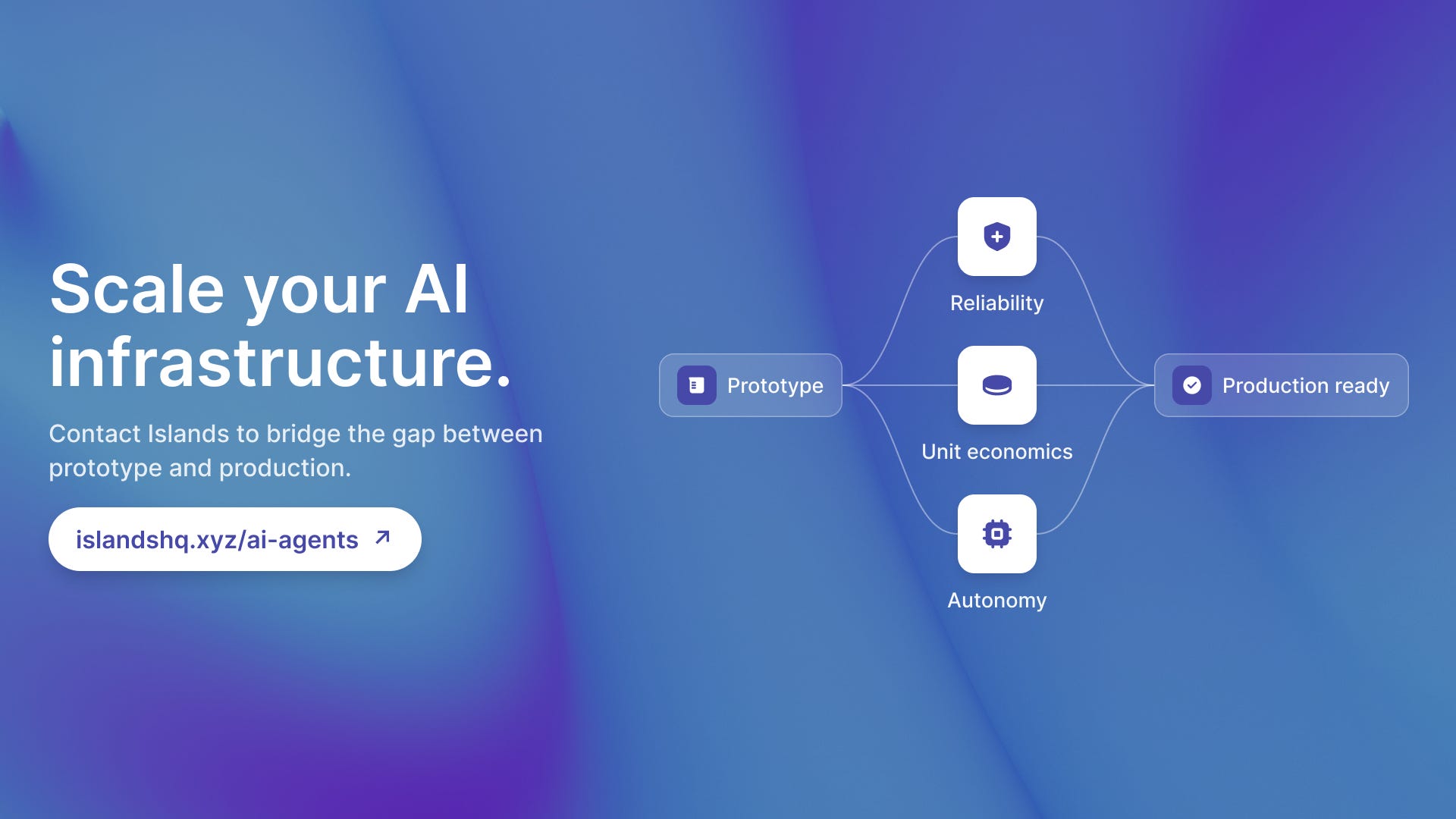
Is your AI roadmap ready for production? Contact us to see how fractional CTO services can accelerate your transition to autonomous agents
.