


I have been seeing a recurring failure in Series B scaling lately. Many leaders believe every new AI initiative requires a dedicated engineering pod and a fresh architectural roadmap. This is the headcount trap. Startups assume that scaling revenue requires a linear increase in full-time employees. In reality, this approach creates silos and redundant work that slows down the entire organization.
The antidote is the venture studio shared-infrastructure playbook. At Islands, we use a fractional CTO model where core agentic workflows are recycled across portfolio companies. This allows us to manage multiple AI-native startups without a proportional increase in headcount. The secret isn’t better prompts. It is a reusable orchestration layer that powers multiple autonomous agents simultaneously.
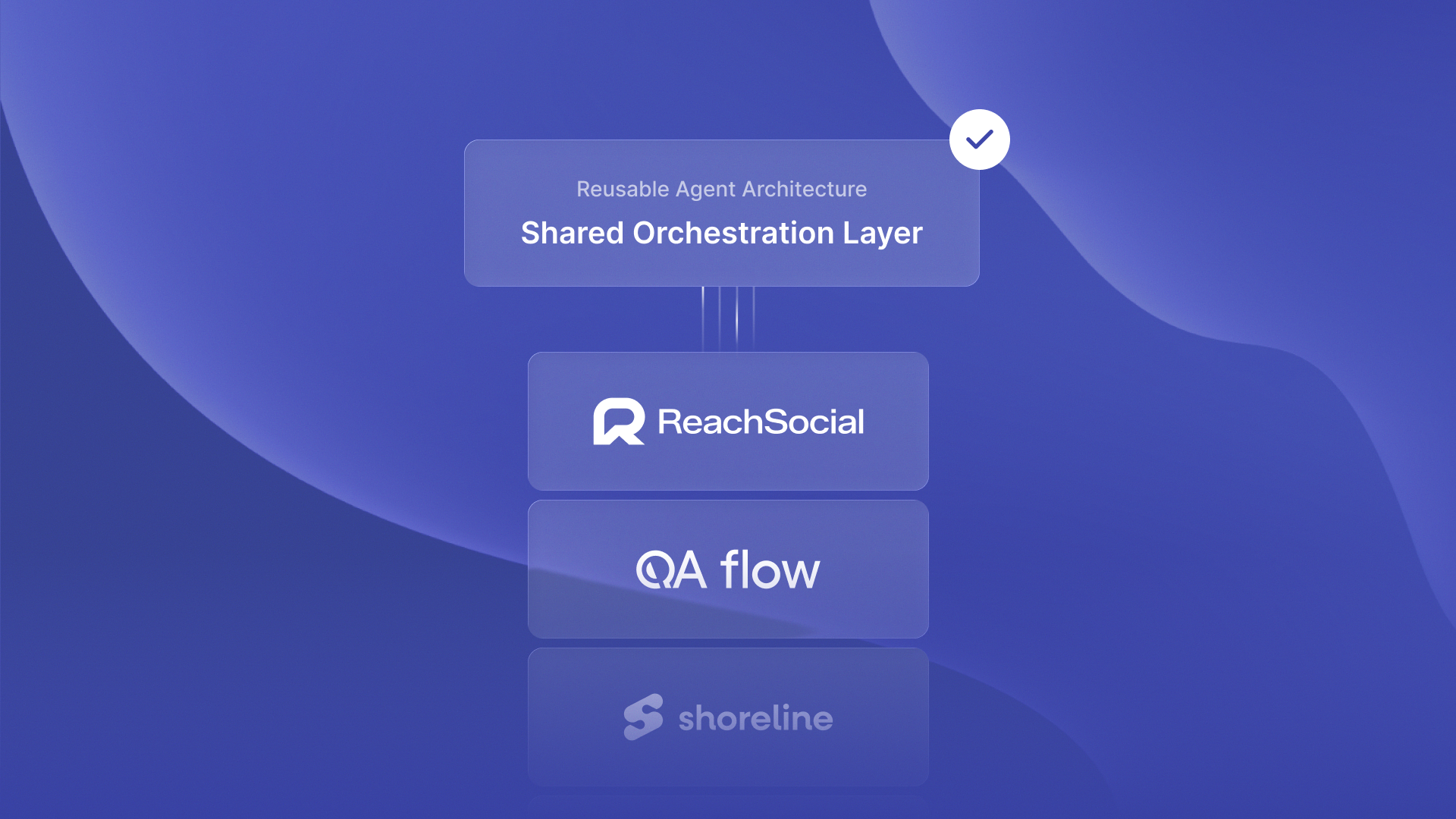
Moving from vertical features to horizontal layers
By treating AI as a shared layer, not a single feature, we can launch ready-to-use autonomous systems in weeks. Most companies build isolated assistants that cannot be reused. This is an architectural trap. When you build a horizontal orchestration layer, you can port logic from one domain to another with minimal friction.
For example, the core orchestration logic we developed for QA flow 2026 can support elastic testing demands. It can also be adapted for other industries. We use proven playbooks and best-in-class tools to manage companies like DomainEasy without doubling the engineering team. As we explored in Islands 2026, this approach compresses AI deployment timelines from 13 months to 3 months. This isn’t about minor speed gains. It’s about shipping autonomous agents before the market saturates.
The economics of recycling workflows
Recycling agentic workflows across different domains creates massive economic moats. When you already have strong state management and failure recovery for one venture, the next venture costs less. This shift changes the numbers fundamentally:
Development time: Reduces from 12 months to 3 months by using pre-built foundations.
Engineering costs: Shared infrastructure reduces the need for redundant senior hires.
Operational efficiency: One orchestration layer can manage tasks across multiple portfolio brands.
We see this efficiency in ReachSocial 2026, where the coordination overhead of traditional models is eliminated. Similarly, Timecapsule 2026 shows that real-time cost tracking is essential for maintaining sustainable overhead targets. By sharing these systems, we protect the margins of every company in our ecosystem. This is critical because GrowTal 2026 found that full-time hires can cost over $800,000 in year one when factoring in overhead.
Three pillars of shared AI infrastructure
To manage multiple ventures effectively, we focus on three specific technical areas:
Unified state management
A common persistence layer that tracks agent progress across different environments.
Modular agent architecture
Specialized agents for research, writing, and SEO that can be plugged into any project. This prevents monolithic AI systems from replicating the architectural failures of the past.
Failure recovery protocols
A centralized system for handling edge cases and hallucinations.
This modular approach lets Blanka 2026 offer practical AI tools. These tools automate customer service and inventory management. When the underlying infrastructure is solid, the applications are endless.
The strategic advantage of the studio model
The fractional CTO model is not about saving money. It is about increasing the probability of success. You are not building on an unproven foundation. You are using the same systems that have already scaled other companies to 1M+ listings or 96% accuracy. Shoreline 2026 highlights that deciding between fractional and full-time hiring is a critical choice for startup cash flow.
I believe the studio model is the future of AI-native entrepreneurship. It allows for a level of speed and reliability that traditional startups cannot match. If you are an engineering leader looking to scale your impact across multiple projects, this is the blueprint. You can see how QA flow 2026 separates coverage from human hours. It shows that specialists beat generalist teams every time.
Choose accordingly. The window to build these shared moats is now.
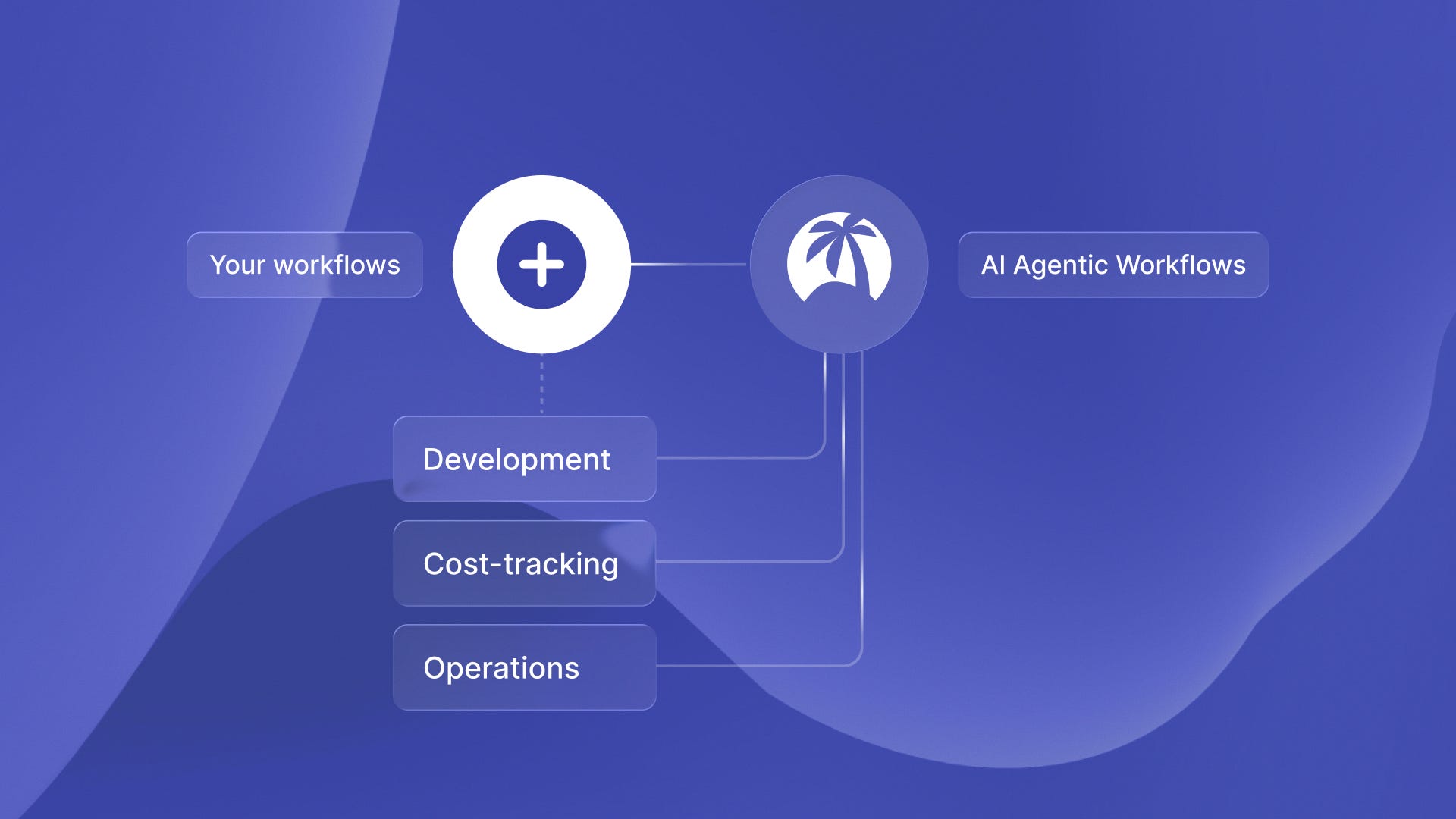
Ready to scale your portfolio with shared AI infrastructure? Explore how Islands builds the future.