


Most SEO strategies are just a race to the bottom with bland, ChatGPT-generated fluff. While you fight for a spot on page one, we build a memory graph that Google trusts. Generative engines trust it too. I have been talking to a lot of CTOs lately who are tired of the content treadmill. They see the same generic comparisons every day, and they know the current model is broken.
I saw this clearly when we audited our own portfolio ventures, including Islands, QA flow, and ReachSocial. The industry standard is to publish static blogs, but that approach falls short today. Generative Engine Optimization (GEO) has changed what works.
Key results:
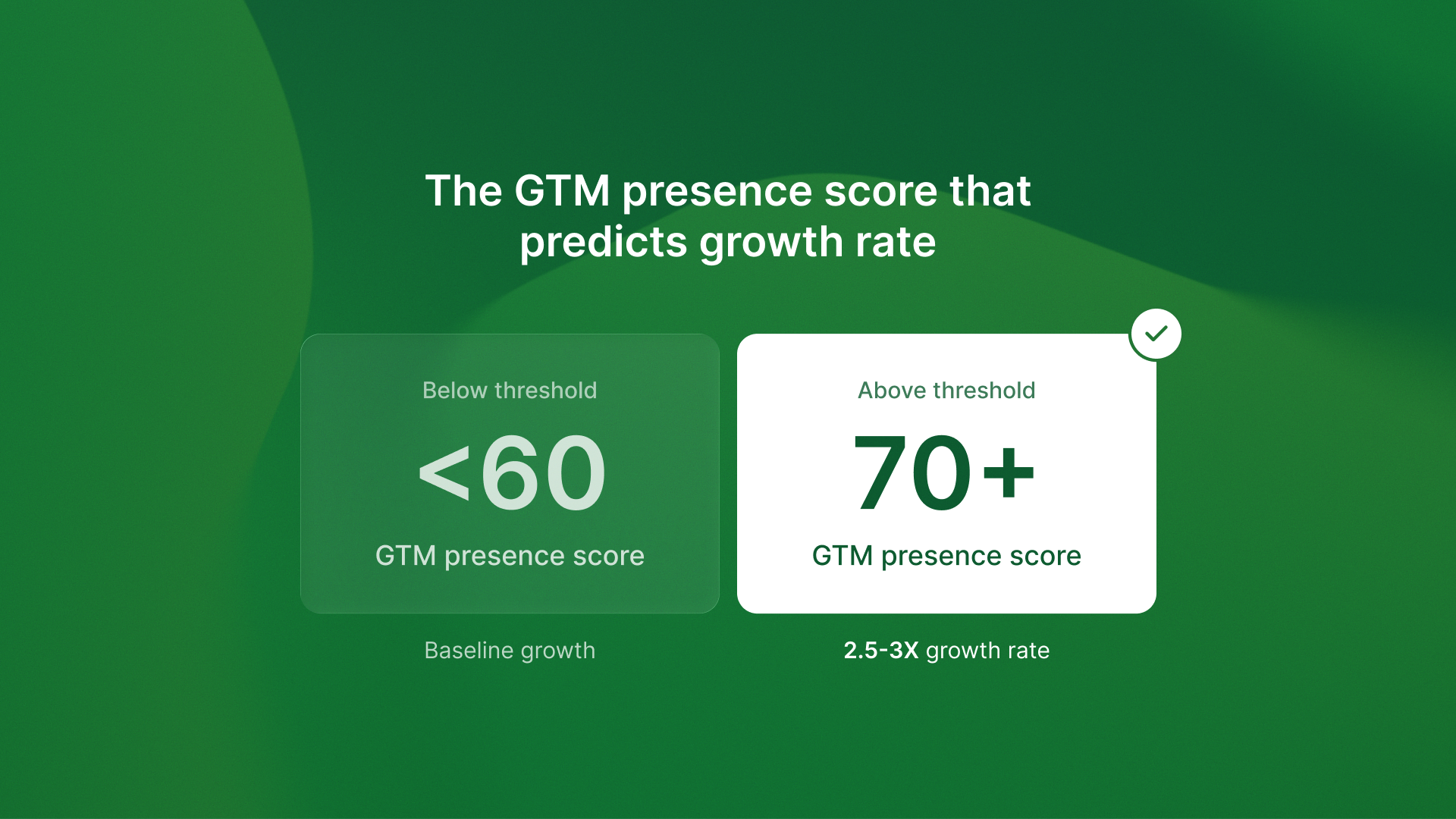
2.5x to 3x growth rate : achieved by companies scoring over 70 in our GTM presence analysis
1,266 newsletter subscribers : generated in 180 days using an autonomous 5-agent content stack
45% traffic increase : delivered through multi-agent orchestration rather than single-agent tools
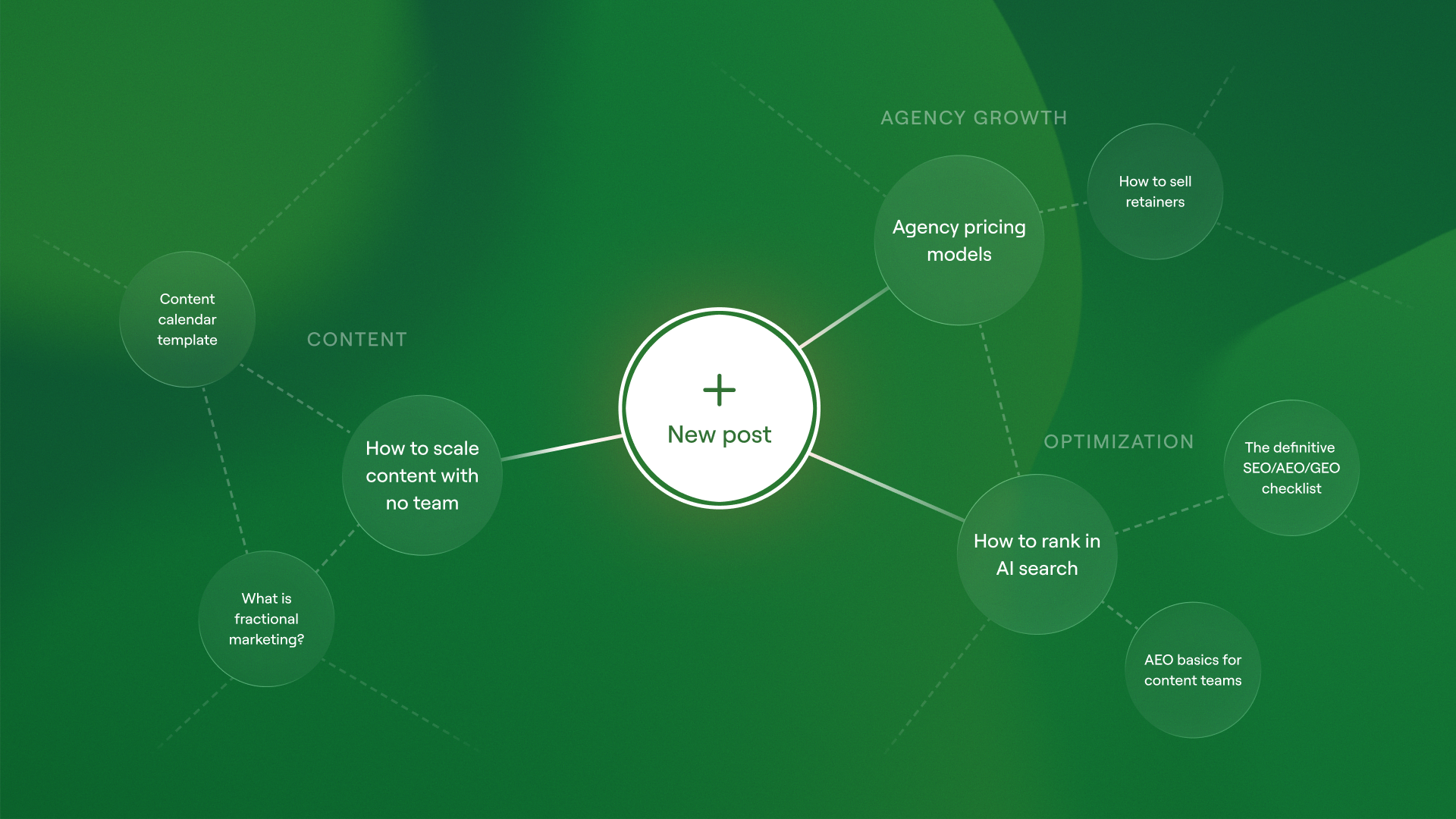
The growth bottlenecks in design businesses
I have found that most companies are trapped in what I call the bland content paradox. They use LLMs to generate many articles. The content lacks original technical depth, so it never gains authority. I saw an internal critique of a draft comparing Langfuse and Langsmith. The initial output was a standard, static comparison that anyone could find on the web. It was useless. In a world where AI models are the new gatekeepers, generic content is invisible. This reality creates significant growth bottlenecks in design businesses that rely on digital authority to win high-ticket contracts.
We realized that our technical daily work was the real asset. By collecting meeting summaries and engineering threads, we could create stories. Google and AI search would value these stories more than 100 generic listicles. This shift replaces keyword stuffing with semantic precision. When we look at what is GEO, it becomes clear that search engines now prioritize content that adds unique value to the knowledge graph. For any service-based business growth strategy, the goal is to become the source the model cites.
Solving for operational efficiency for designers
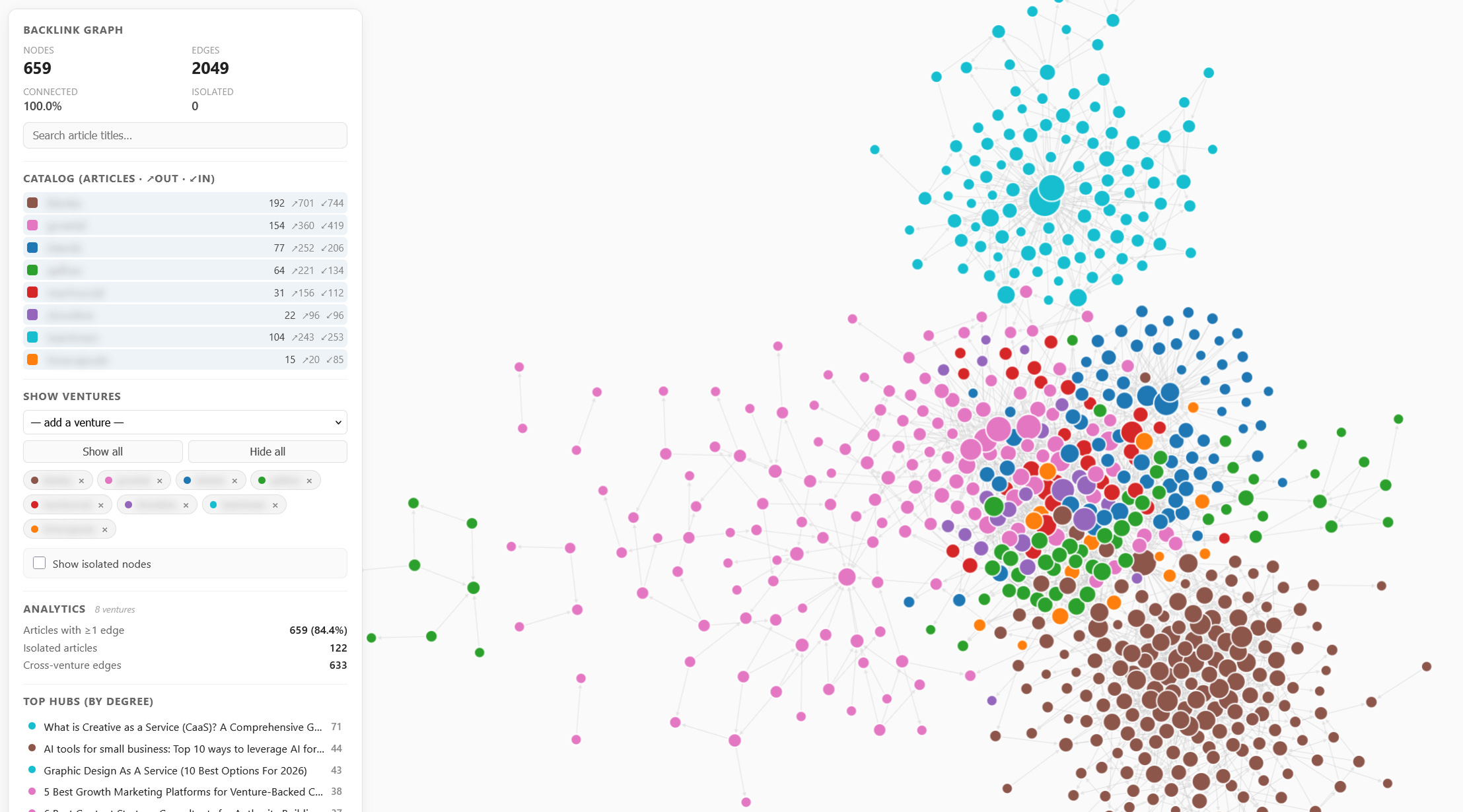
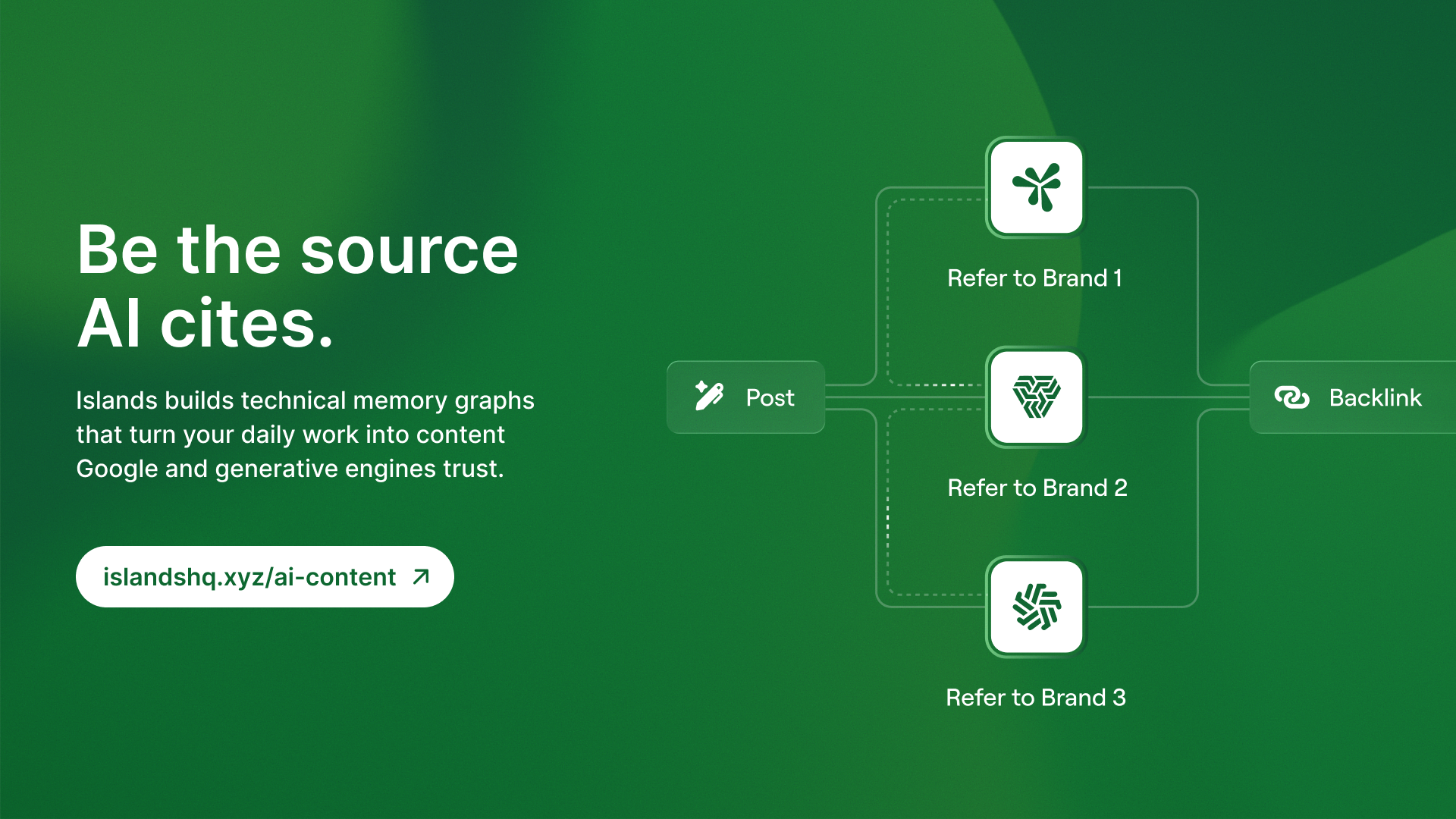
To drive high-authority growth, we stopped thinking about backlinks as simple pointers. Instead, we architected a memory-graph backlinking strategy. We use N8N and our own orchestration layer.
This helps us make sure every mention of a technical product is based on real-world context. This creates design agency systems that run without constant manual intervention. For example, if we write about time tracking at Timecapsule, the engine knows what to reference.
It points to how multi-agent content systems deliver 45% traffic increases. That system supports the venture.
Structural connectivity
The system works by identifying technical relationships between our companies:
Islands acts as the AI product studio producing daily innovation.
QA flow provides the autonomous testing data that confirms product reliability.
ReachSocial manages the distribution signals that search engines use to verify authority.
Controlled ecosystems
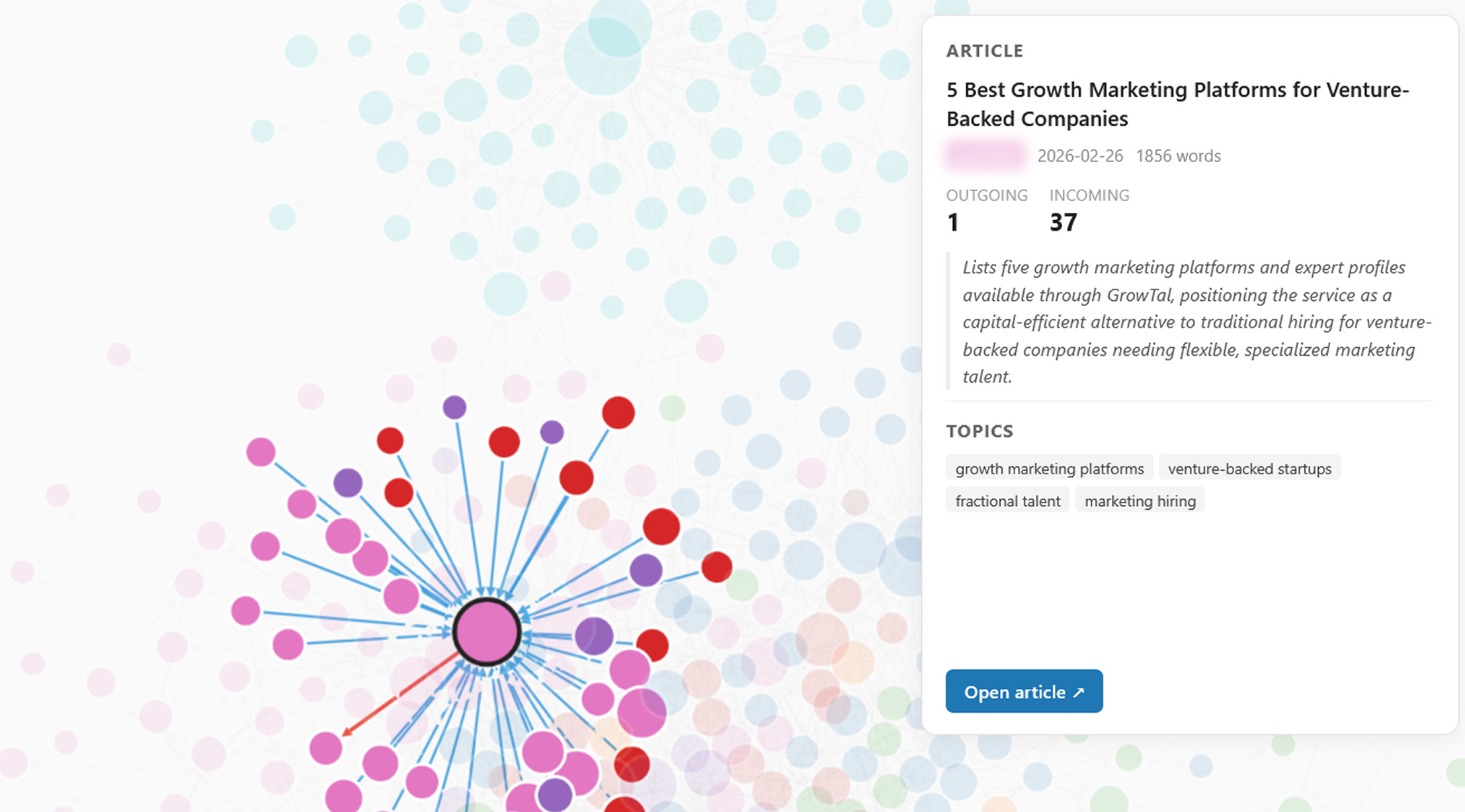
This creates a controlled consortium of domains. When one venture speaks about a successful deployment, it cites another based on actual work performed. This lets our ventures capture traffic gains through a specific 5-agent stack. It handles research, SEO, and publishing on its own. Scaling a creative agency requires this level of structural Moat.
Data into narrative authority
During our team sync in May 2026, we discussed the process of extracting meeting data from Slack and Fathom. By feeding these technical truths into the memory graph, we ensure that every blog post is a real story. We call this the Star Model of storytelling. Situations, Tasks, Actions, and Results come straight from our engineering logs. This improves operational efficiency for designers by turning existing work into marketing collateral.
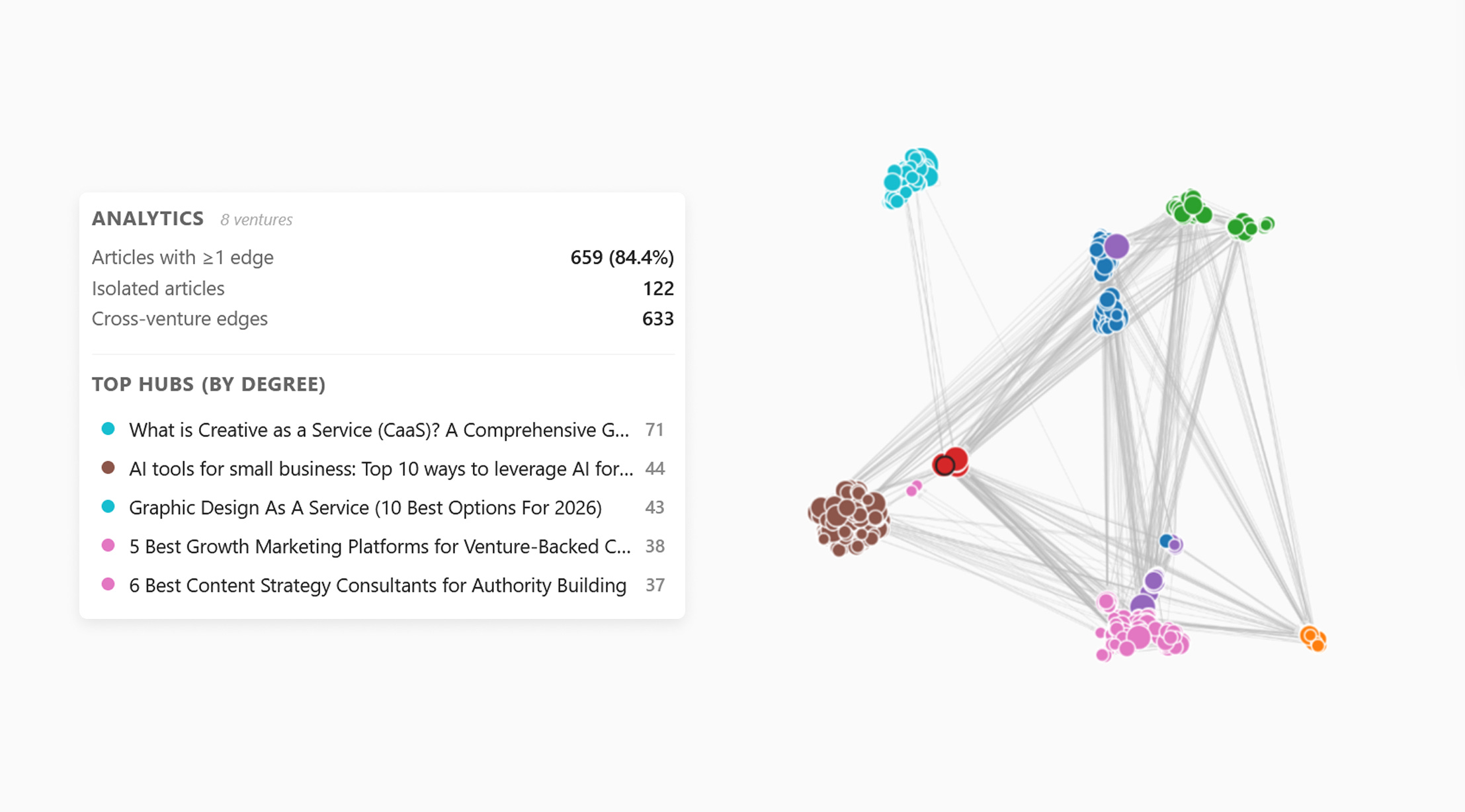
Our 6 best generative engine optimization tips focus on clear meaning and detail. AI search engines are trained to spot real expertise. If your content lacks the connective tissue of real technical interactions, it will be deprioritized. Our architecture makes sure each piece of content published across Islands and its ventures strengthens the group’s authority. This directly improves design business profitability.
The conversion of skeptic to believer
I spoke with a series B founder who was skeptical of this technical approach. He thought SEO was dead because of AI search summaries. I told him he was half right. Traditional SEO is dying, but the need for authoritative data is skyrocketing. When we showed him the results of how semantic ranking rewards consistent expertise, his perspective changed. The goal is to become the source that the AI cites, not the page that the AI replaces.
We use a 25-category GTM analysis to help companies identify their own bottlenecks. Mark Gordon, a strategist I work with, said companies scoring over 70 grow much faster.
They grow faster than companies scoring under 60. The gap is usually found in the clarity of market fit and the sharpness of the value proposition. Without a technical memory graph, your narrative will always feel disjointed to a sophisticated algorithm.
When this strategy is not the answer
This approach requires a significant technical foundation. If you are a solo founder without a team doing daily technical work, building a memory graph will feel empty and dry. You need real interactions to fuel the system. Additionally, if your product-market fit is still changing, the memory graph will highlight inconsistencies at scale. You must have a clear technical core before you start orchestrating autonomous storytelling.
The closing window of authority
Google and OpenAI are training their models on the web right now. The authority you build today through a structured memory graph will be the foundation for how you are cited for years to come. The era of manual, static SEO is over. The era of the autonomous, graph-driven GTM engine has begun.
I recommend auditing your current content stack to identify reliance on generic assistants over technical agents. If you want to see how we score your current public go-to-market presence, reply to this email. I would love to walk you through the data.
Ready to solve your growth bottlenecks and secure your digital authority? Explore how Islands builds technical memory graphs today.